Buy ojppe.eu ?
We are moving the project
ojppe.eu .
Are you interested in purchasing the domain
ojppe.eu ?
domain@kv-gmbh.de · 0541-91531010
Buy ojppe.eu ?
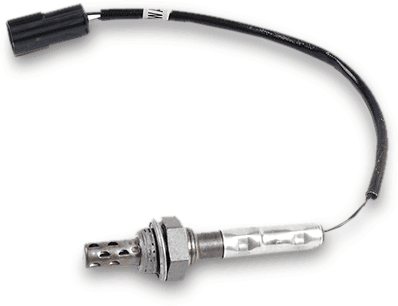
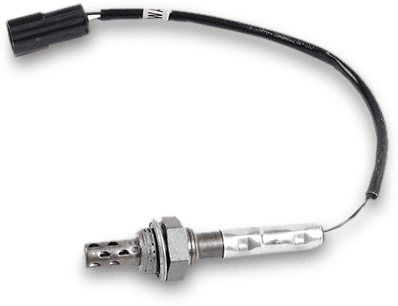
How important is the lambda sensor?
The lambda sensor, also known as the oxygen sensor, is a crucial component in a vehicle's exhaust system. It plays a vital role in monitoring and regulating the air-fuel mixture to ensure optimal engine performance and fuel efficiency. A malfunctioning lambda sensor can lead to decreased fuel efficiency, increased emissions, and potential damage to the engine over time. Therefore, it is essential to regularly inspect and replace the lambda sensor as needed to maintain the overall health and performance of the vehicle. **
What is a lambda sensor 2?
A lambda sensor 2, also known as an oxygen sensor, is a crucial component of a vehicle's emissions control system. It is located in the exhaust system and measures the amount of oxygen in the exhaust gases. This information is then used by the engine control unit to adjust the air-fuel mixture for optimal combustion and reduce harmful emissions. A lambda sensor 2 is typically found downstream of the catalytic converter and helps ensure the proper functioning of the emissions control system. **
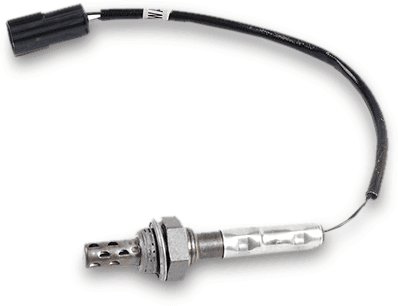

Similar search terms for NTK-91583-Lambda-sensor
Top-Angebote
Products related to NTK-91583-Lambda-sensor:
-
NTK 5739 Lambda sensorOxygen Sensor: Switching-type Oxygen Sensor; Number of circuits: 4; Length [mm]: 1230; Engine Code: TU9M, XU9JA, XU7JP, KDX (TU3MC/Z), XU10J4Z, XU10J4RS, TU3FJ2, K6B (TU3FJ2), XU7JP4, TU3MC, XU10J4TE, XU10J2, XU5JP; Construction Year from: 02/1995, 07/1995, 05/1995, 01/1999, 09/1996, 07/1997, 04/1998; for RPO number from: 6630, 06744, 6809, 06749, 6749, 06809, 06630; Fitting Position: before catalytic converter; TecDoc Engine Number: 661, 4277, 5080, 5160, 5101, 5116, 727, 4288, 5066, 2863, 2864, 2855, 2853, 683, 2866; Construction Year to: 12/1996, 08/1996, 04/1997, 08/2000; Braking/Driving Dynamics: for vehicles without ABS; Vehicle Equipment: for vehicles without air conditioning; Catalytic Converter Type: with three-way catalytic converter; Emissions Standard: Euro 2, Euro 3149,99 £*Shipping: 1,99 £Secure redirect to the provider
-
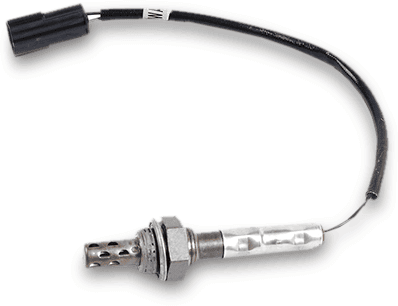
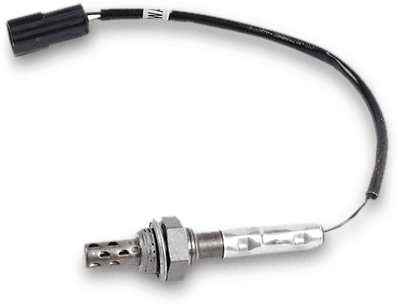
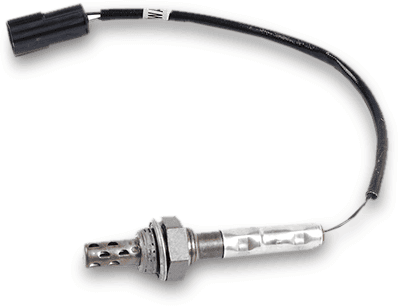
NTK 90068 Lambda sensorOxygen Sensor: Switching-type Oxygen Sensor; Number of circuits: 4; Length [mm]: 600; TecDoc Engine Number: 5487, 9406; Engine Code: ES9J4; Construction Year to: 12/1999, 03/1999; Emissions Standard: Euro 2; Fitting Position: before catalytic converter69,99 £*Shipping: 8,45 £Secure redirect to the provider
-
NTK 93028 Lambda sensorOxygen Sensor: Switching-type Oxygen Sensor; Number of circuits: 4; Length [mm]: 830; TecDoc Engine Number: 2131, 2135, 2133; Engine Number from: 050884, 117656, 050 896, 017 342, 014 846, 117 656, 050 884, 015 982; Transmission Type: Automatic Transmission, Manual Transmission; Construction Year to: 09/1996, 04/200091,49 £*Shipping: 8,45 £Secure redirect to the provider

-
How can I clean the lambda sensor?
To clean a lambda sensor, you can use a specialized sensor cleaner that is available at most auto parts stores. Start by disconnecting the sensor from the exhaust system and spraying the cleaner onto the sensor element. Allow it to sit for a few minutes to break down any built-up deposits. Finally, rinse the sensor with water and let it air dry before re-installing it. Be sure to follow the manufacturer's instructions and safety precautions when cleaning the lambda sensor. **
-
When should the lambda sensor be replaced?
The lambda sensor should be replaced when it starts to fail or show signs of malfunction. Some common indicators of a faulty lambda sensor include a decrease in fuel efficiency, rough idling, engine misfires, or an illuminated check engine light. It is recommended to follow the manufacturer's guidelines for the replacement interval, typically around 60,000 to 100,000 miles, but it may vary depending on driving conditions and the sensor's quality. Regular maintenance and monitoring of the lambda sensor can help prevent potential issues and ensure optimal engine performance. **
-
Can you drive without a lambda sensor?
Yes, you can technically drive without a lambda sensor, but it is not recommended. The lambda sensor, also known as an oxygen sensor, helps monitor and adjust the air-fuel mixture in the engine for optimal performance and emissions. Without it, your vehicle may experience decreased fuel efficiency, increased emissions, and potential damage to the catalytic converter. It is best to have a functioning lambda sensor to ensure your vehicle runs efficiently and meets emissions standards. **
-
How much does a new lambda sensor cost?
The cost of a new lambda sensor can vary depending on the make and model of the vehicle. On average, a new lambda sensor can cost anywhere from $50 to $200. It is recommended to consult with a mechanic or automotive parts store to get an accurate price for a lambda sensor specific to your vehicle. **
Does the lambda sensor control the throttle valve?
No, the lambda sensor does not control the throttle valve. The lambda sensor, also known as the oxygen sensor, is responsible for measuring the amount of oxygen in the exhaust gases and providing feedback to the engine control unit (ECU) to adjust the air-fuel mixture for optimal combustion. On the other hand, the throttle valve, or throttle body, controls the amount of air entering the engine and is typically operated by the driver's input through the accelerator pedal or by the ECU based on various engine parameters. These two components serve different functions in the engine control system. **
Can a motorcycle be driven without a lambda sensor?
Yes, a motorcycle can technically be driven without a lambda sensor. The lambda sensor, also known as an oxygen sensor, is responsible for monitoring the air-fuel mixture in the exhaust system and providing feedback to the engine control unit. While driving without a lambda sensor may not immediately cause the motorcycle to stop functioning, it can lead to decreased fuel efficiency, increased emissions, and potential damage to the engine over time. It is recommended to have a functioning lambda sensor to ensure optimal performance and efficiency of the motorcycle. **
Top-Angebote
Products related to NTK-91583-Lambda-sensor:
-
NTK 1729 Lambda sensorOxygen Sensor: Switching-type Oxygen Sensor; Number of circuits: 3; Length [mm]: 550; Catalytic Converter Type: for vehicles with catalytic converter; Construction Year to: 11/1991, 04/1989, 07/1989, 11/1989, 09/1991; TecDoc Engine Number: 1145, 1153, 1252, 1369, 1364, 4443, 5108, 1147, 4440, 1327, 1171, 1174, 1275; Fitting Position: before catalytic converter, Left, Right; Construction Year from: 10/1985, 08/1985; Engine Code: B4A; Required quantity: 2144,99 £*Shipping: 1,99 £Secure redirect to the provider
-
NTK 5739 Lambda sensorOxygen Sensor: Switching-type Oxygen Sensor; Number of circuits: 4; Length [mm]: 1230; Engine Code: TU9M, XU9JA, XU7JP, KDX (TU3MC/Z), XU10J4Z, XU10J4RS, TU3FJ2, K6B (TU3FJ2), XU7JP4, TU3MC, XU10J4TE, XU10J2, XU5JP; Construction Year from: 02/1995, 07/1995, 05/1995, 01/1999, 09/1996, 07/1997, 04/1998; for RPO number from: 6630, 06744, 6809, 06749, 6749, 06809, 06630; Fitting Position: before catalytic converter; TecDoc Engine Number: 661, 4277, 5080, 5160, 5101, 5116, 727, 4288, 5066, 2863, 2864, 2855, 2853, 683, 2866; Construction Year to: 12/1996, 08/1996, 04/1997, 08/2000; Braking/Driving Dynamics: for vehicles without ABS; Vehicle Equipment: for vehicles without air conditioning; Catalytic Converter Type: with three-way catalytic converter; Emissions Standard: Euro 2, Euro 3149,99 £*Shipping: 1,99 £Secure redirect to the provider
-
NTK 90068 Lambda sensorOxygen Sensor: Switching-type Oxygen Sensor; Number of circuits: 4; Length [mm]: 600; TecDoc Engine Number: 5487, 9406; Engine Code: ES9J4; Construction Year to: 12/1999, 03/1999; Emissions Standard: Euro 2; Fitting Position: before catalytic converter69,99 £*Shipping: 8,45 £Secure redirect to the provider
-
How important is the lambda sensor?
The lambda sensor, also known as the oxygen sensor, is a crucial component in a vehicle's exhaust system. It plays a vital role in monitoring and regulating the air-fuel mixture to ensure optimal engine performance and fuel efficiency. A malfunctioning lambda sensor can lead to decreased fuel efficiency, increased emissions, and potential damage to the engine over time. Therefore, it is essential to regularly inspect and replace the lambda sensor as needed to maintain the overall health and performance of the vehicle. **
-
What is a lambda sensor 2?
A lambda sensor 2, also known as an oxygen sensor, is a crucial component of a vehicle's emissions control system. It is located in the exhaust system and measures the amount of oxygen in the exhaust gases. This information is then used by the engine control unit to adjust the air-fuel mixture for optimal combustion and reduce harmful emissions. A lambda sensor 2 is typically found downstream of the catalytic converter and helps ensure the proper functioning of the emissions control system. **
-
How can I clean the lambda sensor?
To clean a lambda sensor, you can use a specialized sensor cleaner that is available at most auto parts stores. Start by disconnecting the sensor from the exhaust system and spraying the cleaner onto the sensor element. Allow it to sit for a few minutes to break down any built-up deposits. Finally, rinse the sensor with water and let it air dry before re-installing it. Be sure to follow the manufacturer's instructions and safety precautions when cleaning the lambda sensor. **
-
When should the lambda sensor be replaced?
The lambda sensor should be replaced when it starts to fail or show signs of malfunction. Some common indicators of a faulty lambda sensor include a decrease in fuel efficiency, rough idling, engine misfires, or an illuminated check engine light. It is recommended to follow the manufacturer's guidelines for the replacement interval, typically around 60,000 to 100,000 miles, but it may vary depending on driving conditions and the sensor's quality. Regular maintenance and monitoring of the lambda sensor can help prevent potential issues and ensure optimal engine performance. **
Similar search terms for NTK-91583-Lambda-sensor
-
NTK 93028 Lambda sensorOxygen Sensor: Switching-type Oxygen Sensor; Number of circuits: 4; Length [mm]: 830; TecDoc Engine Number: 2131, 2135, 2133; Engine Number from: 050884, 117656, 050 896, 017 342, 014 846, 117 656, 050 884, 015 982; Transmission Type: Automatic Transmission, Manual Transmission; Construction Year to: 09/1996, 04/200091,49 £*Shipping: 8,45 £Secure redirect to the provider
-
NTK 93325 Lambda sensorOxygen Sensor: Broadband Oxygen Sensor; Number of circuits: 5; Length [mm]: 1362; TecDoc Engine Number: 24888, 23930, 23931, 25673; Vehicle Identification Number (VIN) to: 7P-C-999999; Fitting Position: Left, Left Front; Engine Code: CMKA183,99 £*Shipping: 1,99 £Secure redirect to the provider
-
Can you drive without a lambda sensor?
Yes, you can technically drive without a lambda sensor, but it is not recommended. The lambda sensor, also known as an oxygen sensor, helps monitor and adjust the air-fuel mixture in the engine for optimal performance and emissions. Without it, your vehicle may experience decreased fuel efficiency, increased emissions, and potential damage to the catalytic converter. It is best to have a functioning lambda sensor to ensure your vehicle runs efficiently and meets emissions standards. **
-
How much does a new lambda sensor cost?
The cost of a new lambda sensor can vary depending on the make and model of the vehicle. On average, a new lambda sensor can cost anywhere from $50 to $200. It is recommended to consult with a mechanic or automotive parts store to get an accurate price for a lambda sensor specific to your vehicle. **
-
Does the lambda sensor control the throttle valve?
No, the lambda sensor does not control the throttle valve. The lambda sensor, also known as the oxygen sensor, is responsible for measuring the amount of oxygen in the exhaust gases and providing feedback to the engine control unit (ECU) to adjust the air-fuel mixture for optimal combustion. On the other hand, the throttle valve, or throttle body, controls the amount of air entering the engine and is typically operated by the driver's input through the accelerator pedal or by the ECU based on various engine parameters. These two components serve different functions in the engine control system. **
-
Can a motorcycle be driven without a lambda sensor?
Yes, a motorcycle can technically be driven without a lambda sensor. The lambda sensor, also known as an oxygen sensor, is responsible for monitoring the air-fuel mixture in the exhaust system and providing feedback to the engine control unit. While driving without a lambda sensor may not immediately cause the motorcycle to stop functioning, it can lead to decreased fuel efficiency, increased emissions, and potential damage to the engine over time. It is recommended to have a functioning lambda sensor to ensure optimal performance and efficiency of the motorcycle. **
* All prices are inclusive of VAT and, if applicable, plus shipping costs. The offer information is based on the details provided by the respective shop and is updated through automated processes. Real-time updates do not occur, so deviations can occur in individual cases. ** Note: Parts of this content were created by AI.